

10/16-17 Ishidere Shirakawa Food and Handicrafts ~ Kogin Zashi and Rice Dumplings ~ (Autumn Edition) – Enjoy During Your Stay at Guesthouse KIITOS
Please feel free to contact us via the Itoshiro Yosehinten Official LINE account.
Autumn.
The season when rice ears turn golden.
Enjoy your harvest, and give thanks for its bounty.
This is a 5-part series held in February, May, July, October, and December. While staying at KIITOS, the guesthouse of Iwatori Western Goods Store that opened in November 2025, guests get to enjoy handcrafted artisanal work and Iwatori's seasonal food culture across all five program installments.
Dear KIITOS Admin, I, Sayuri Kii, who deeply loves handmade crafts and Ittobira traditional cuisine, have organized this project!

Located roughly 700m above sea level, Itoshiro has its own unique, stunning beauty in every season, from spring through winter.
We invite you to visit Itoshiro to experience its unique character in every season. We also host special events in October that align with the shrine's sacred rituals, so you can enjoy both experiences during your stay.

One of the biggest draws of this event is that beyond crafting lucky charms using the traditional kogin-zashi embroidery technique, you’ll get to fully enjoy everything autumn in Iwatoro has to offer while immersing yourself in the local Iwatoro lifestyle and food culture, including making kome-dango jiru rice dumpling soup.
This is the 4th installment, the "Autumn Edition", of our 5-part seasonal series🍂

At the foot of Mount Haku, in Itoshiro
Stitching one prayer at a time into every protective amulet.
Itoshiro, a place nestled deep in the mountains of Gujo City, Gifu Prefecture.
This village, located on the southern foothills of Mt. Hakusan, has passed down age-old traditions of faith in Mt. Hakusan, along with reverent prayers honoring nature itself—including the mountains, forests, and rocks that shape the local landscape.
At the heart of those prayers is Hakusan Chūkyū Shrine.
Within these shrine precincts stand massive ancient trees that have lived through countless ages; this is also a place where people have long sensed the sacred within nature, coming to offer their prayers here for generations.
Every autumn in Itoshiro, the "Annual Autumn Grand Festival" is held to give thanks for the year's harvest and pray for a bountiful harvest the following year.
We offer our freshly harvested rice to the gods, and all people may partake in its blessed bounty.
There, in Itoshiro, you will find a way of life built on cherishing the gifts received from nature, giving thanks for them, and carrying that ethos forward into the next season.
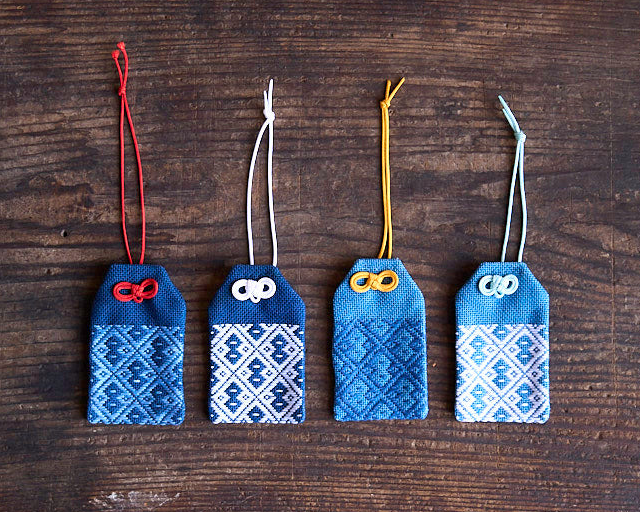
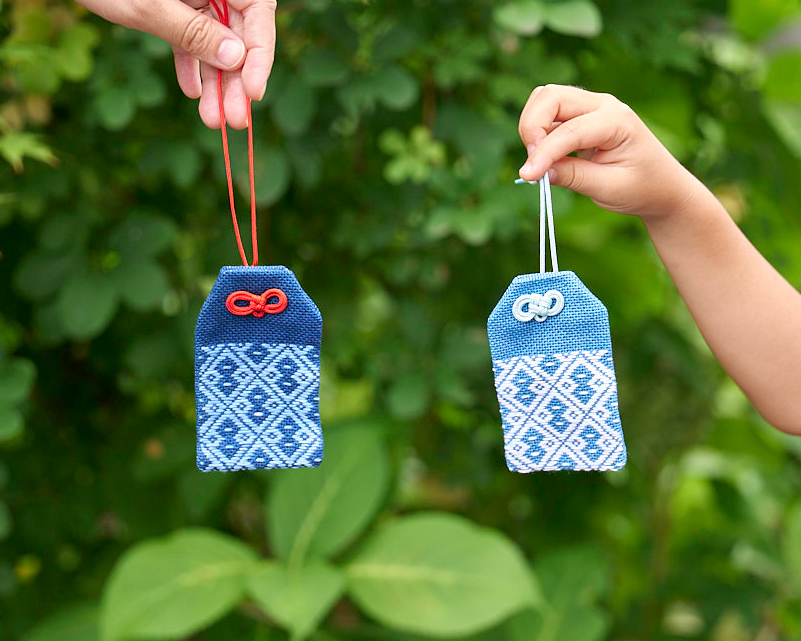
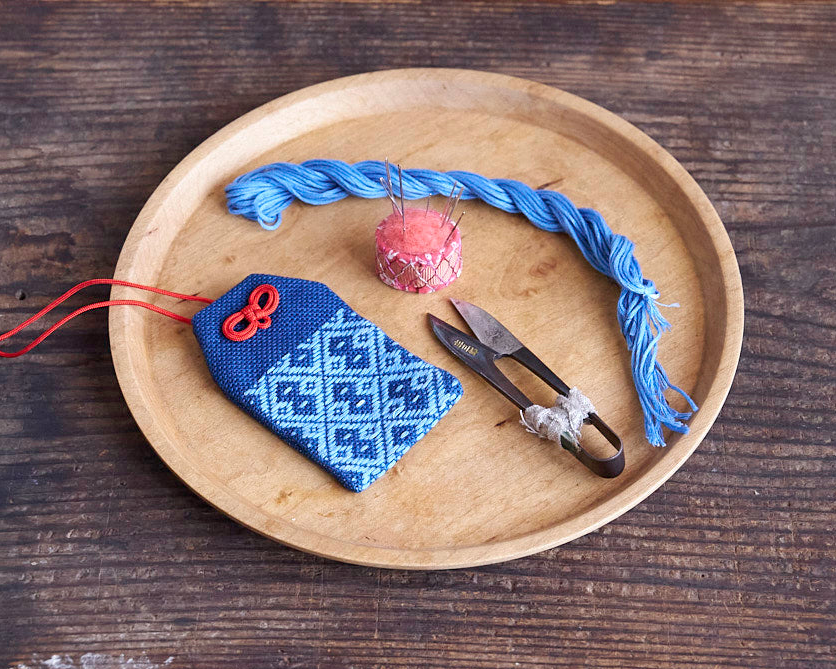
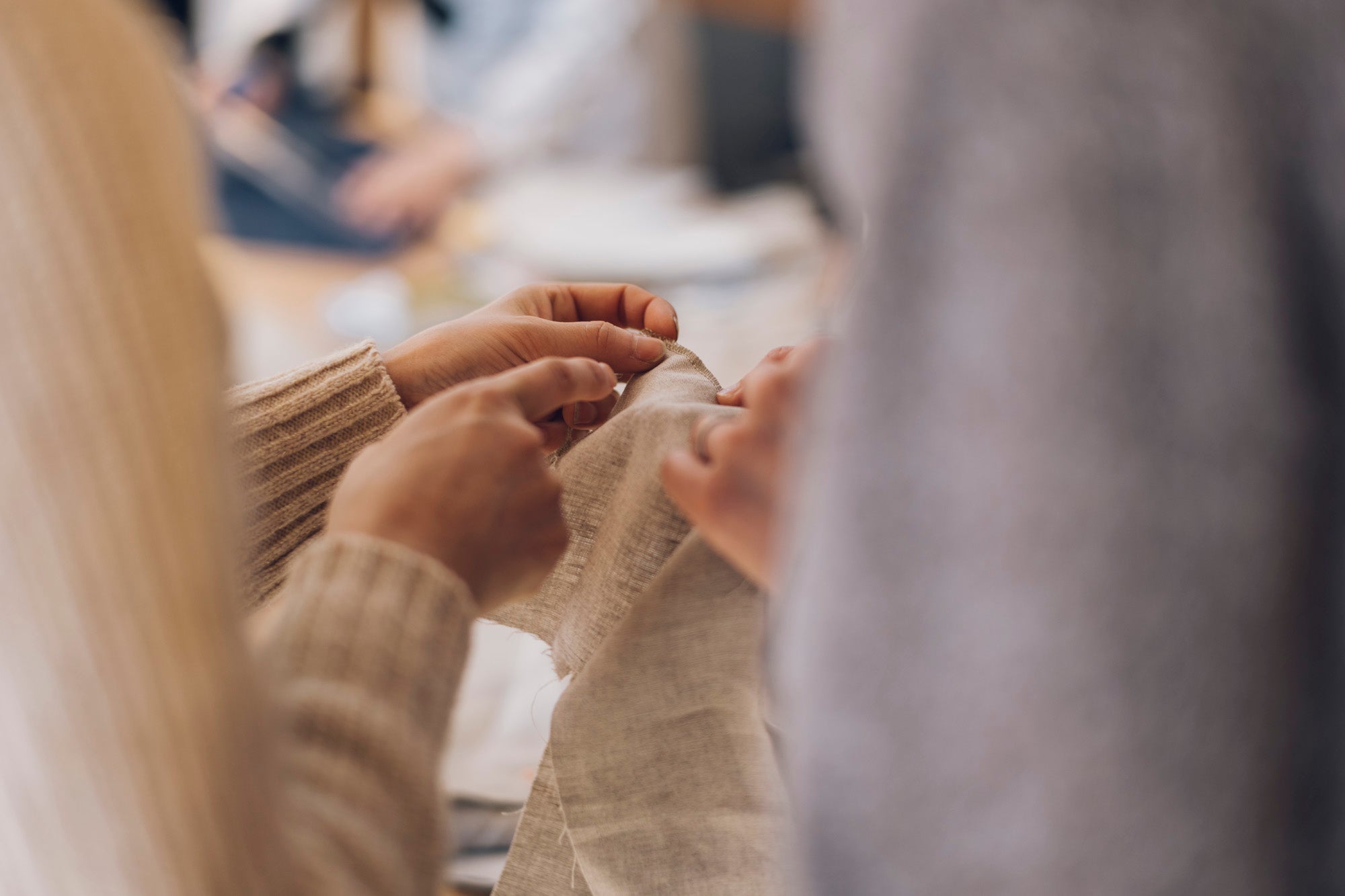
At this workshop, we will be making small protective lucky charms using kogin embroidery, right here in the land of Iwatobiro.

Why kogin embroidery in Itobewara?

During the Edo period, farmers were not permitted to freely wear cotton clothing, and primarily used linen cloth for their garments.
However, while hemp is sturdy, it is thin and lets cold pass through easily.
So the women, by densely stitching cotton thread all over their hemp kimonos,
- Make the fabric durable
- Makes it difficult for wind to pass through
- warm up
- Prevents fraying
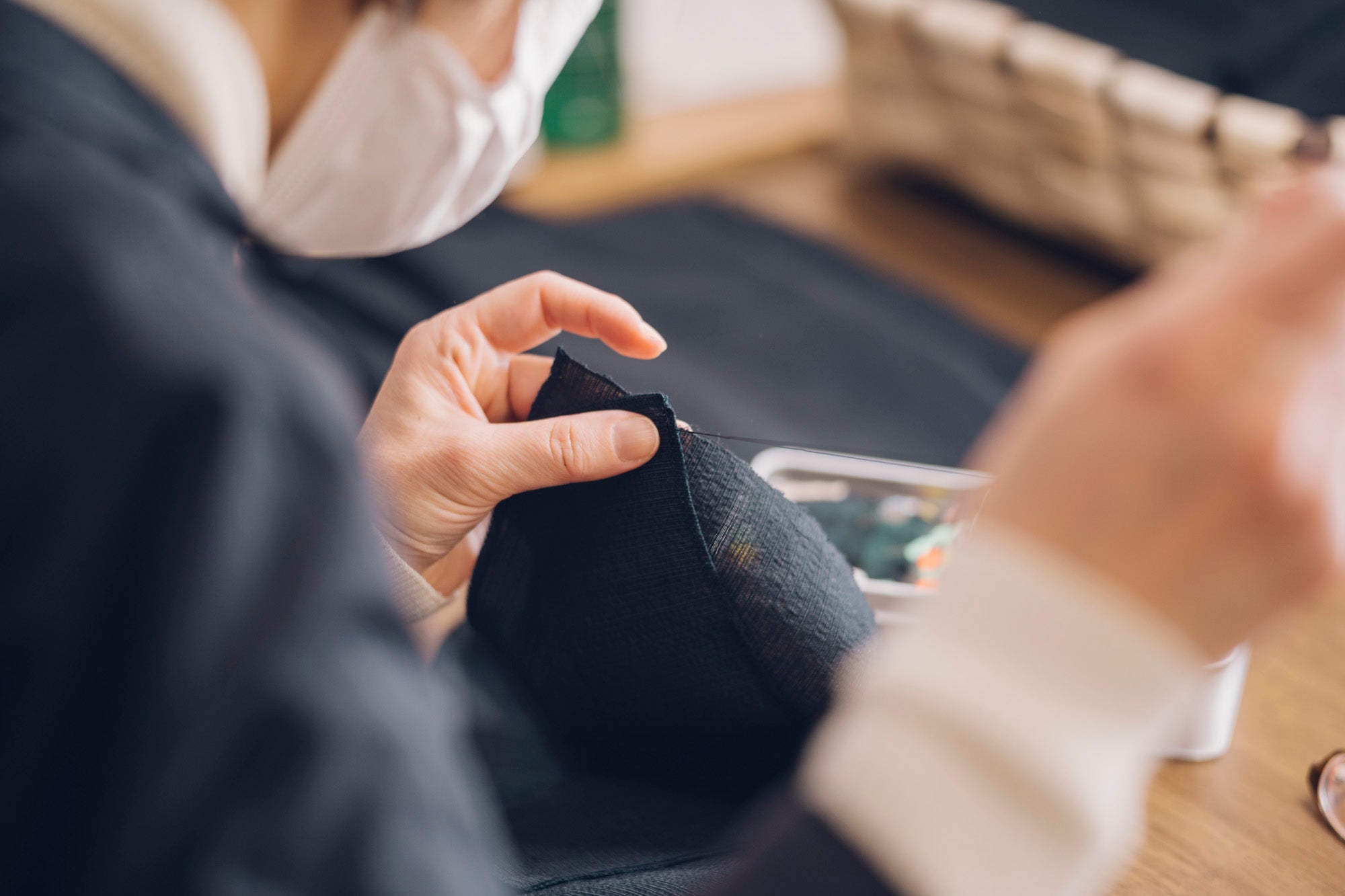
This craft was created to protect you from bitter cold. We stitch cotton thread one stitch at a time into linen fabric to make the material durable and as warm as possible.


Being grateful for all that we receive from nature
the act of passing wishes from hand to hand, and on to the next person
Don't you think there's a lot that resonates with those kinds of feelings?

It’s okay to wish for healthy, peaceful days.
It’s fine to wish for a safe trip.
It's okay to wish for whatever is about to begin.
Calabash (Gourd Pattern)

Kogin-zashi, just like sashiko, features countless beautiful patterns.
Every single one of these patterns holds its own unique meaning, stitched with the wishes of the people who created them. Some patterns are unique to specific local regions, and one of the most charming aspects of "Kogin-zashi" embroidery is that you can enjoy far more than just the designs themselves — paying attention to the meanings and wishes woven into each pattern is also part of what makes this craft so fascinating.
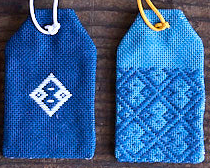
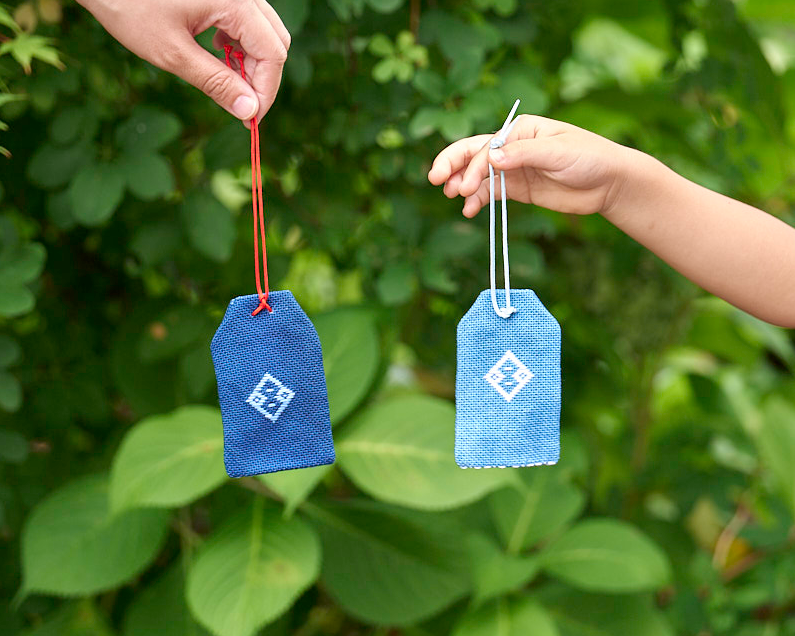
This time, the pattern we will be embroidering is that of a bottle gourd (hyoutan) which is referred to as fukube.
- Good health and freedom from illness
- Prosperity for future generations
- Attracts good fortune
- Family prosperity and happiness
This item is imbued with those very heartfelt wishes.
The name 'Fukube' is an old term for a gourd.
▼You may also select your preferred stitching pattern for the reverse side.
In the past, every household in Itotora incorporated growing hemp, spinning its fibers, weaving cloth, dyeing the fabric with indigo, and sewing clothing for their family into their everyday lives.
Itobira is a remote mountain village located on the prefectural border with Fukui Prefecture. Every winter, the village is sealed off by snow, welcoming the start of a harsh seasonal period.
People devised clever methods to make their cloth and clothing sturdy and long-lasting, by applying indigo dyeing and sashiko stitching to their fabrics.
In fact, the folk clothing sourced from homes in Ittobe was indigo-dyed, and featured reinforcing patches and sashiko stitching. Even as the garments grew tattered, people would repeatedly add layers of stitching to mend them, making clear that they cherished and used their clothes for many, many years.
(This item is also on display at the Stable Gallery at Ishitoro Western Goods Store, so please be sure to come view it in person!)

For the "Spring Edition" of this course, we invited a "sashiko artisan" residing in Itoshiro to serve as an instructor, and created sashiko works together with all attendees. Within the Itoshiro village, there are people who, drawn to its beautiful patterns, have been stitching "kogin-zashi" for many yearsMs. Minako Kawata is here.
Both of these embroidery techniques share the core purpose of reinforcing fabric by stitching, and we thought it would be incredibly fun to offer workshops for both! Following our spring edition class focused on sashiko, this fall’s session will welcome that same instructor to guide all participants in creating kogin stitching.
Annual Grand Autumn Festival・Gedo barrel toss
At Nakai Shrine, annual festivals are held in spring, summer, fall, and winter.
The annual autumn grand festival takes place every year on the third Sunday of October, and it is a celebration to give thanks for the harvest.
A key standout feature is a ceremonial offering called a gedo, which is written using the kanji characters 餉筒.
This is a traditional Japanese preserved food called "gedo" (餉筒): it is made by grinding this year’s newly harvested non-glutinous rice, shaping the resulting paste into square, hardened mochi-like blocks, and wrapping those blocks in rice straw.
This is an item crafted only by the families of Kami-zaisho, a district within Itoriburo. Each household makes their own, and leaves their offering at the shrine the night before the relevant occasion.Then, the next day, a Shinto priest throws items toward the worshippers.
This is said to originate from the myth in which Izanagi-no-Mikoto threw a bundle of hair while fleeing from the Underworld.
was thrown "ration cask (gedo)"It is considered extremely auspicious that people will scramble to pick these up. The mochi you bring home is boiled and eaten in 'dango soup', while the straw is used as an evil ward to protect your home."
In other words, the "newly harvested rice" contained in the gedo is not merely a "food item", but
Newly harvested rice from that year is regarded as a symbol of gratitude to the gods and a wish for a bountiful harvest the following year.
On the day of the autumn festival at Hakusan Chūkyō Shrine, dango soup made with newly harvested rice was once served, as a way to give thanks for a bountiful harvest of all five staple grains.
Offer the newly harvested new rice to the gods,Mess tin (used in Shinto ceremonies as gedo), with people also partaking of that newly harvested rice
They express their gratitude, saying, "We harvested another successful rice crop this year. Thank you very much."It is said that this practice also carries a meaning similar to the Naorai, a ritual in which gods and humans share newly harvested grain.

Also, Itobiru is a high-altitude mountain village, and it gets quite cold around the time of the autumn festival.
By forming newly harvested rice into dumplings and adding them to a warm broth, we all get to warmly enjoy the blessings of the harvest together.
This might just be a food culture perfectly suited to life in Itoshiro: everyone gathers to split and eat that year’s newly harvested rice, warming their bodies as they prepare to welcome winter.
Incidentally, a dumpling stew featuring rice-flour dumplings simmered in broth has also been passed down through generations in Shirakawa Village in the Hida region, which neighbors Itoshiro. It is said that this dish has endured in Shirakawa Village as part of a food culture long tied to traditional events such as prayers for a bountiful harvest.
Let’s all make that same ‘dumpling soup’ using new rice from Itoshiro!
【Highlights of This Workshop】
〇 A special time spent in Itetōshira, at the foot of Mount Haku
Nestled among mountains, you’ll work slowly with your hands while immersing yourself in the natural beauty of Itoshiro and the sacred prayers of Hakusan Chūkyū Shrine.
○ Stitch by stitch, create your very own one-of-a-kind lucky charm
Infuse your own personal wishes into the beautiful patterns of Kogin-zashi embroidery, and craft a one-of-a-kind lucky amulet that is the only one of its kind in the entire world.
● Turn your "wish" into a handcrafted creation
This is a time where instead of entrusting your wishes to someone else, you quietly face your own personal desires as you sew every single stitch by your own hand.
〇 Discover Itoshiro’s autumn and the culture of its local way of life
While visiting Itoshiro during the season when its annual grand autumn festival is held, you can experience the land’s deeply rooted prayers, local way of life, and food culture.
【Recommended for the following types of people】
*For those who love handcrafts
* For anyone drawn to shrines and the generations-old prayers passed down in that local area.
*For anyone interested in long-standing local lifestyles, regional culture, and food culture.
* For anyone who wants to spend time slowly working with their hands surrounded by nature.
To anyone who has ever felt even a flicker of curiosity, wondering, "What kind of place is Itoshiro?"
No prior experience with Kogin embroidery is required.
Our staff will provide thorough, easy-to-follow guidance even for those trying kogin-zashi embroidery and hand-sewing for the very first time, so even complete beginners can participate with total peace of mind.
While taking in the autumn air of Itadorihaku,
Move your hands, eat, talk, and pray.
We would be so happy to get to enjoy that time together with you.
【Instructor Introduction】

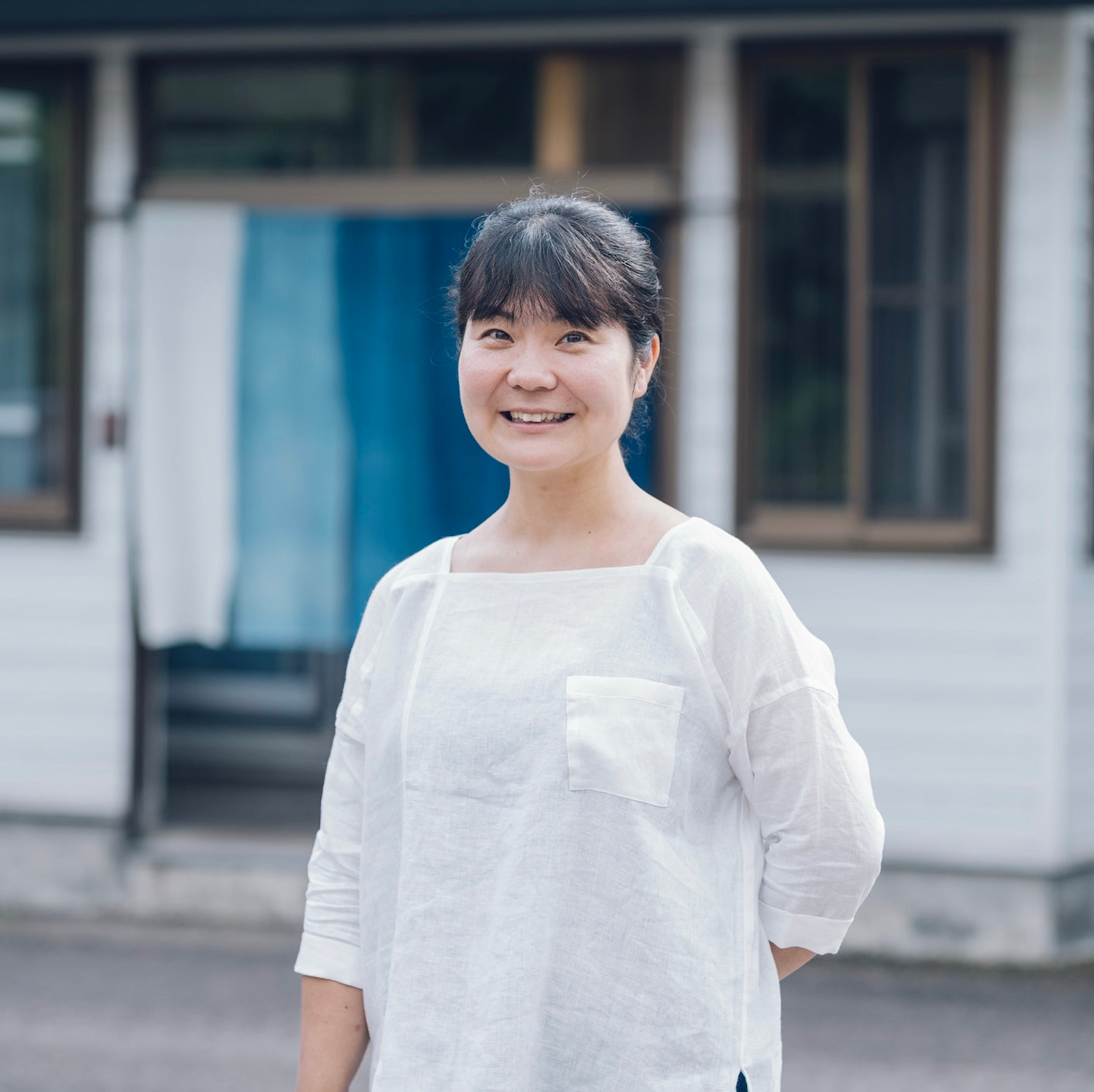
Minako Kawada
I was born and raised in Ishitōro in 1957. Influenced by my mother who loved handicrafts, I also love every kind of handiwork.I first got into Kogin embroidery after seeing it in a craft book; I fell in love at first sight with its white patterns on a navy blue base.
We also craft geta thongs featuring traditional kogin embroidery, and these geta are sold at the wooden clog shop named "郡上木履" located in Gujō Hachiman.
The embroidery on the clothing from Iwatoro Western Goods Shop is also stitched using kogin-zashi embroidery.
This craft is incredibly simple—all you need to do is stitch along the fabric's grain following the pattern, so let's all enjoy working on this together!
Overview
Schedule: October 16 (Fri) – 17 (Sat), 2026
Time: Starts at 13:30 on 10/16 , concludes at 13:00 on 10/17 *You may use public transportation to travel to the venue.
Venue: Guest House KIITOS at Iwatetsushiro Apparel Store
Participation fee: 26,500 yen. This price includes the full 2-day course fee, plus all costs for dinner, lunch, and snacks.
*Guests staying overnight will be charged an additional 7,000 yen plus 1,500 yen for breakfast.
Maximum capacity: 6 people (minimum of 4 participants required to hold this event)
*If the minimum number of participants is not met, the event may not be held.
Schedule
〈Day 1〉
13:00 Registration begins
13:30 Start (Welcome remarks, self-introductions)
14:00 Kogin Embroidery Introduction & Stitching Time
15:00 Snack Time
15:30 Tingly Time
17:30 Group cooking session: Preparing rice dumpling soup
18:30 Dinner Social Mixer
〈Day 2〉
7:30 Breakfast
9:00 Hakusan Chugu Shrine Visit: Attend a talk by Mr. Hayato Iwatetsushiro and tour his store
10:00 Tingly Time
12:00 Lunch (MAGOEMON) & sharing time
13:00 End (Departs Nishi Zaisho at 13:19)
Personal belongings
Sewing supplies (straight pins, thread scissors, pincushion)
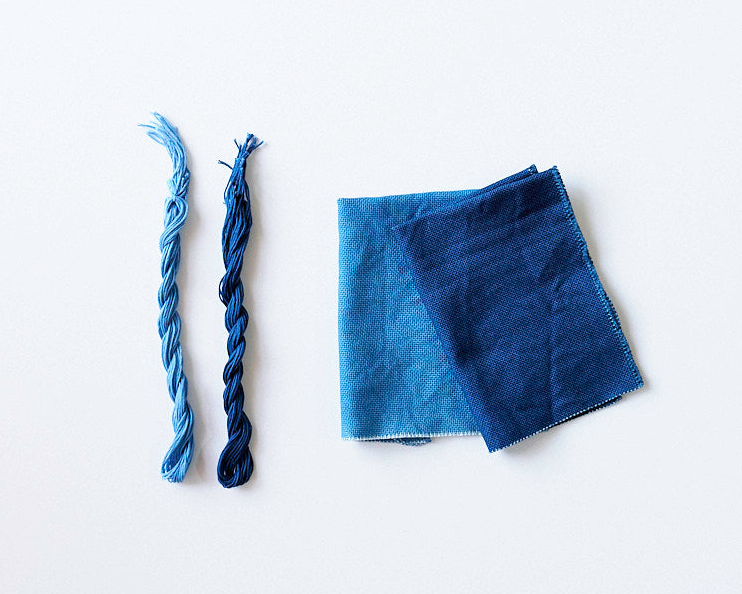
We will provide the fabric, thread, kogin needles, and round cord required for kogin embroidery.
※You may select any color you like for the fabric, thread, and round cord.
Cancellation Policy
Cancellations made after you submit your application up to one week before the event date: 5%
Cancellations made 6 to 3 days before the event date: 50%
Cancellations made after that point: full amount
Upcoming Workshop Schedules
December 18 (Fri) – 19 (Sat) Food and Handcrafted Works of Itoshiro (Winter Edition)
~ Make a New Year's Decoration from Hemp + Try Your Hand at Pickling (You can take home the pickles you make as a souvenir)
If you join us for both fall and winter consecutively, you’ll have even more to look forward to!
~To help you enjoy your stay in Itoshiro~
- Head to a nearby hot spring in the evening. Be sure to enjoy the starry night sky too.
- On Sunday, October 18, a Shinto ritual will be held at Hakusan Chugu Shrine in Itoshiro.
At our annual autumn grand festival, we host the "Gedo Nage" tradition, where mochi (rice cakes) made from dedicated uruchi (non-glutinous) rice—offered to share the joy and gratitude of a bountiful harvest—are tossed out to festival attendees. Don't miss this rare, special opportunity: be sure to extend your stay in Itoshiro to join us for the event!
About the Venue: KIITOS
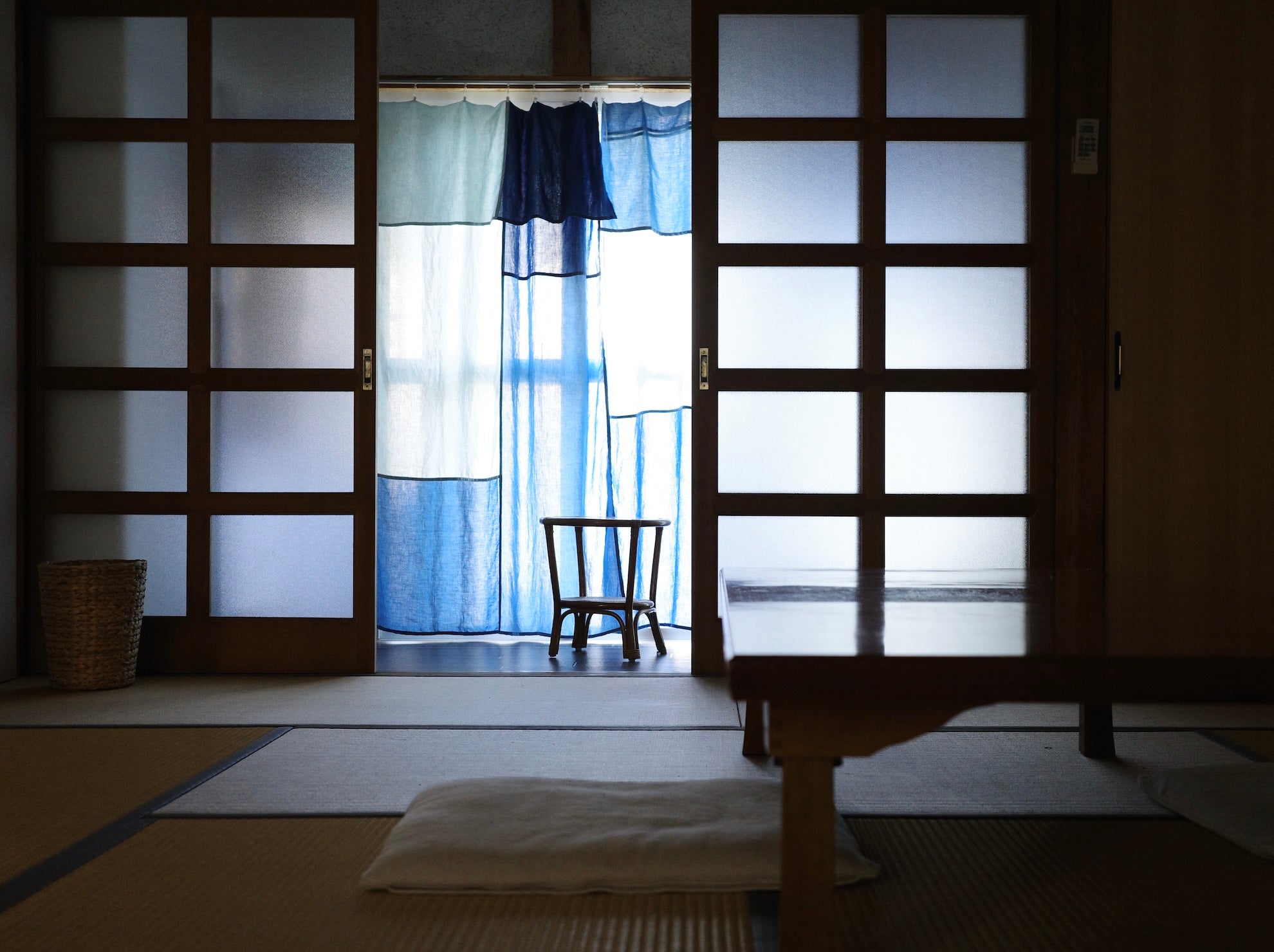
This is a casual guesthouse that opened in November 2025. Please note that depending on the number of participants for this workshop, you may be required to stay in a shared room during your stay, and we ask for your understanding of this arrangement.Please view the details here.

Choose options

失われつつあった
日本古来の服の知恵と心を学び
次の世代へつなげたい
縄文から続く山間集落・石徹白(いとしろ)で、
地域に伝わる衣服を復刻、リデザインしています
「直線裁断」布に無駄のない形
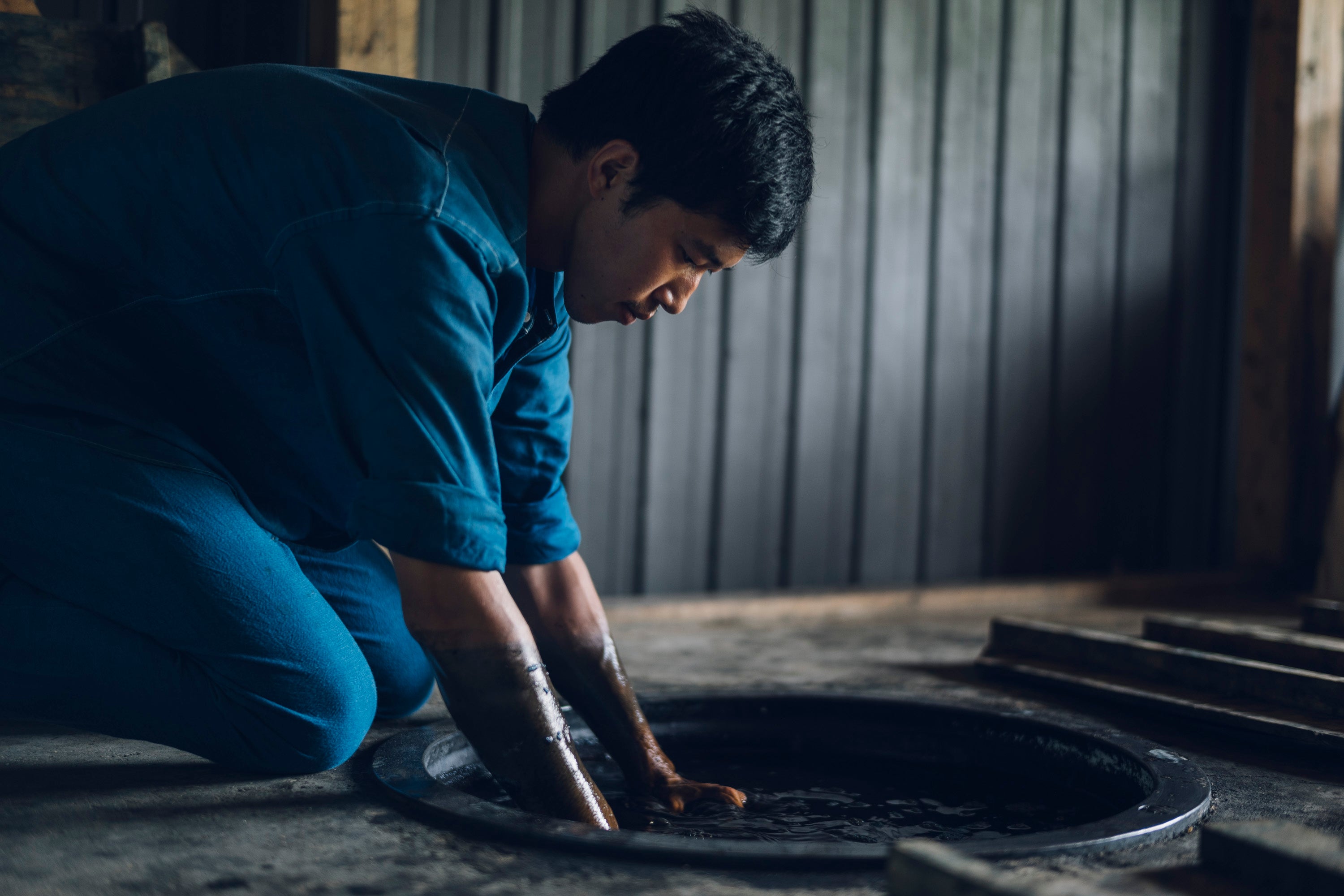
「藍染・草木染」この土地で育つ植物で染めています